
Internet & Security
Everyday Habits That Improve Online Privacy
Online privacy doesn't require technical expertise. A handful of consistent habits meaningfully reduce how much of your digital activity is tracked and exposed.
James Walker5 min read
Internet & Security · Privacy · Cybersecurity
Cybersecurity enthusiast and digital privacy advocate. James writes practical guides to help everyday users protect themselves online without needing a technical background.
Online privacy doesn't require technical expertise. A handful of consistent habits meaningfully reduce how much of your digital activity is tracked and exposed.

Two-factor authentication is one of the most effective account security improvements available to everyday users. Here's how it works, why it matters, and how to set it up.
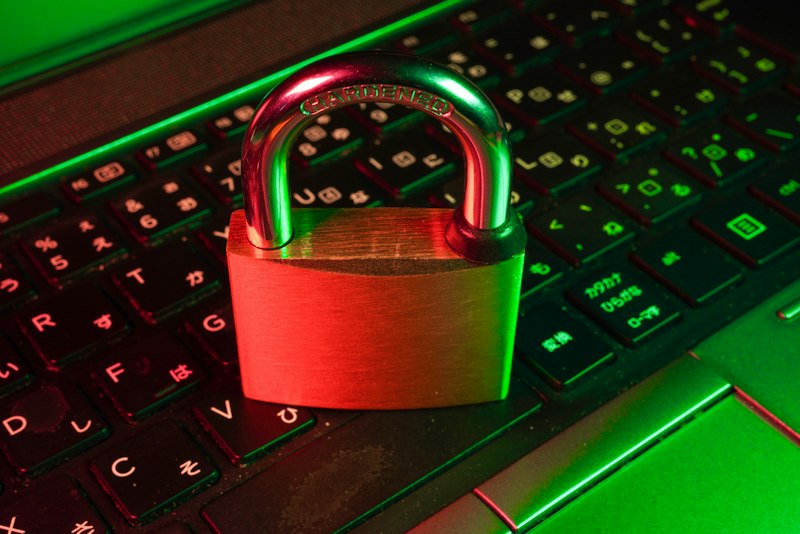
Most people use passwords that are easy to remember and easy to break. Understanding how password attacks work makes the case for better habits clearer than any security lecture.
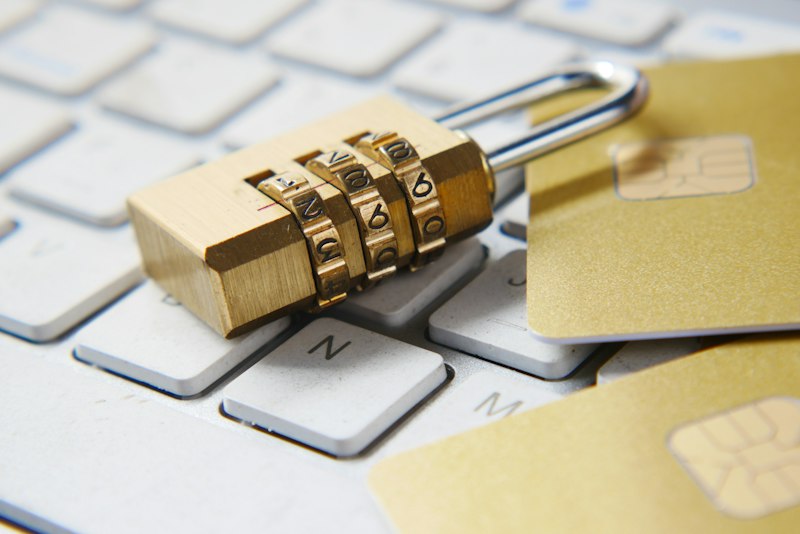
Most people have dozens of online accounts, many of them forgotten. Managing them deliberately — rather than letting them accumulate — is a practical security and privacy habit.

VPNs are marketed as comprehensive privacy solutions. Understanding what they actually protect against — and what they don't — helps you decide if one is right for your situation.