How to Choose an App That Fits Your Workflow
With thousands of productivity and utility apps available, selecting one you'll actually stick with requires a different evaluation approach than most app reviews suggest.
Productivity
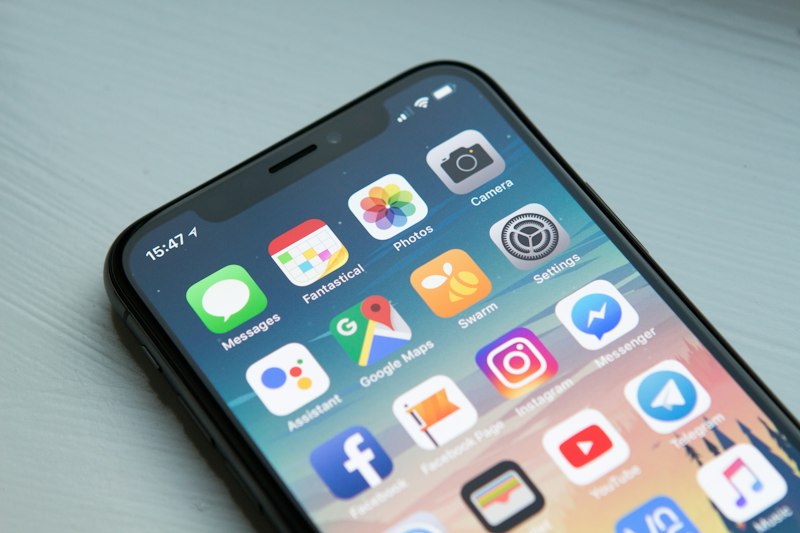
Most app comparisons focus on feature lists — which app has more features, which interface looks better, which one has the most integrations. These comparisons miss the thing that actually determines whether you’ll use an app: whether it fits how you actually work, not how you imagine you work.
Start With the Problem, Not the App
The most common mistake when selecting a new app is starting with the category. “I need a task manager” is a much weaker starting point than “I keep forgetting to follow up on emails and it’s affecting my work.”
Starting from a specific, felt problem:
- Gives you a clear success criterion
- Makes it obvious when an app isn’t solving it
- Reduces the appeal of apps with impressive features you’ll never use
Write down the specific problem in one sentence before opening an app store.
Match Complexity to Need
Apps exist on a spectrum from simple to complex, and neither end is inherently better. The relevant question is whether an app’s complexity matches your problem.
A person who needs to maintain a grocery list and a few recurring reminders will not benefit from a full GTD-system task manager. The overhead of the complex system becomes a barrier to use — and the app sits unused.
Conversely, a person managing a team project with dependencies and deadlines will outgrow a simple checklist within weeks.
Be honest about where your actual needs fall, not where you’d like them to fall.
Evaluate Friction, Not Just Features
Friction is how much effort an app requires to capture, process, and retrieve information. High-friction apps get abandoned because recording something takes more effort than the benefit provides.
The most important test: how many taps, clicks, or keystrokes does it take to capture a new item? If that number is high, the app will work in theory and fail in practice.
Trial With Real Work
Most productivity apps offer free trials. Use them with your actual work for at least two weeks — not demo data or hypothetical tasks.
A trial with real work reveals:
- Whether the app handles edge cases you encounter regularly
- How annoying small friction points feel when you hit them repeatedly
- Whether the organizational structure makes sense for your mental model
Questions Worth Asking Before Committing
- Does this app work on all devices I use regularly?
- What happens to my data if I stop using this app or the company closes?
- Is there an export option for my content?
- What are the ongoing costs?
- How active is the development — are updates and bug fixes happening?
The Switching Cost
Once you’ve invested time in an app — building systems, populating data, developing habits — switching is costly. This is a reason to evaluate carefully upfront rather than jumping to the next interesting app when the current one has a rough edge.
No app is perfect. The goal is finding one whose imperfections you can work around, not one that has no imperfections.
The best app for your workflow is almost always the one you actually use consistently — not the one with the most features or the highest ratings.
Official App
ZaxPlayer
Discover a smoother and smarter media experience.
Available on Android